

A Transparent Conductive Film (TCF) is a class of thin‐film materials that uniquely combine high electrical conductivity with optical transparency in the visible spectrum. As essential components in optoelectronic devices—such as touchscreens, displays, solar cells, smart windows, and flexible electronics—TCFs enable the flow of electric current while allowing light to pass through with minimal loss. ... Read more
more >
In demanding environments—from factory floors to outdoor kiosks—capacitive touchscreens must meet rigorous testing standards to ensure reliability and longevity. This article provides a clear, concise overview of the most critical durability benchmarks: Ingress Protection (IP) ratings for dust and water resistance, Impact Protection (IK) for mechanical shocks, and the Mohs hardness test for scratch resistance. ... Read more
more >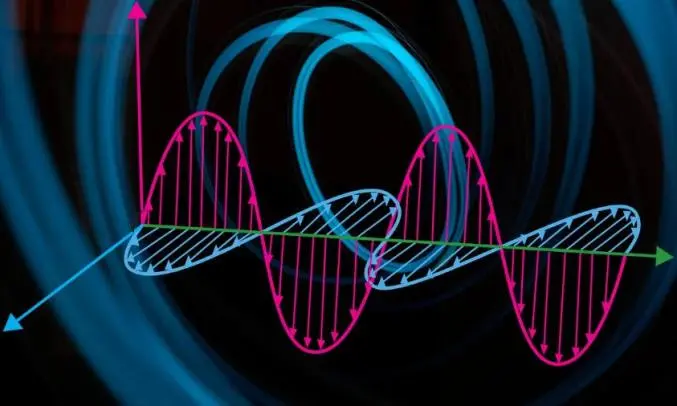
In today’s world of advanced information technology, it is important to protect sensitive electronic devices from interference. Electromagnetic interference (EMI) is a common problem that can cause critical system failures, data loss, or even catastrophic failures. This is where EMI shielding comes in handy. Metal mesh shielding film uses ultra-fine copper metal mesh technology. It ... Read more
more >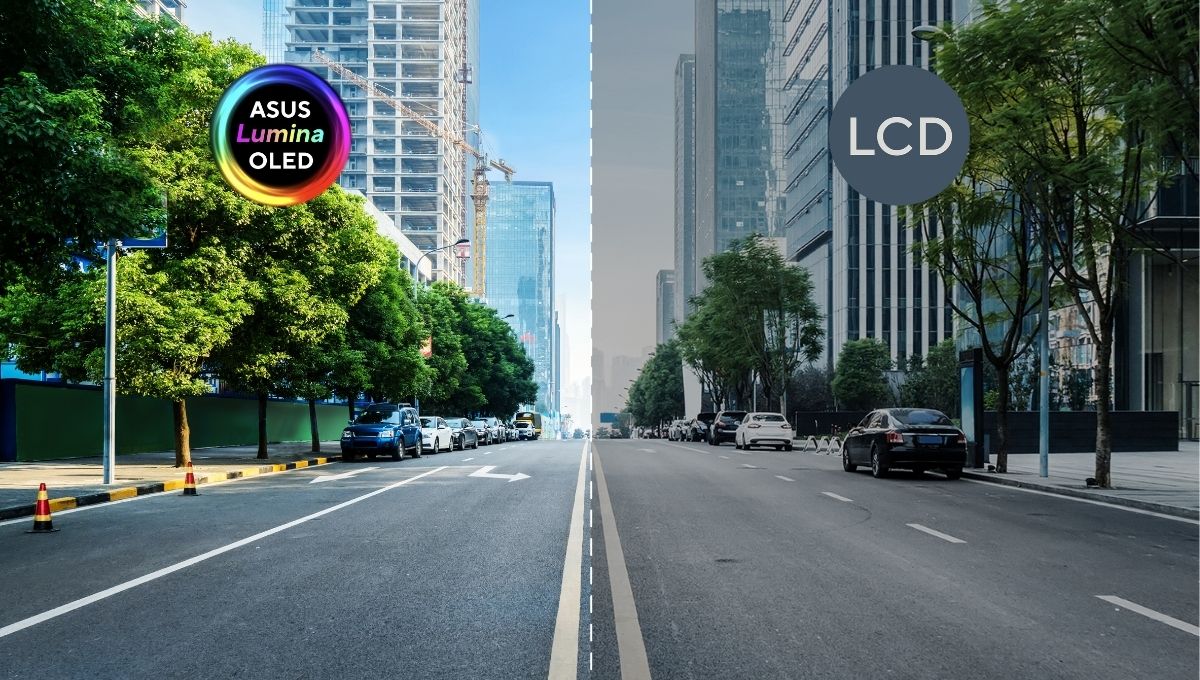
Organic Light-Emitting Diode (OLED) and Liquid Crystal Display (LCD) are the two leading flat-panel display technologies in use today. They differ fundamentally in how they generate images: an OLED panel is self-emissive, with each pixel made of organic diodes that emit their own light, while an LCD relies on a constant white backlight shining through ... Read more
more >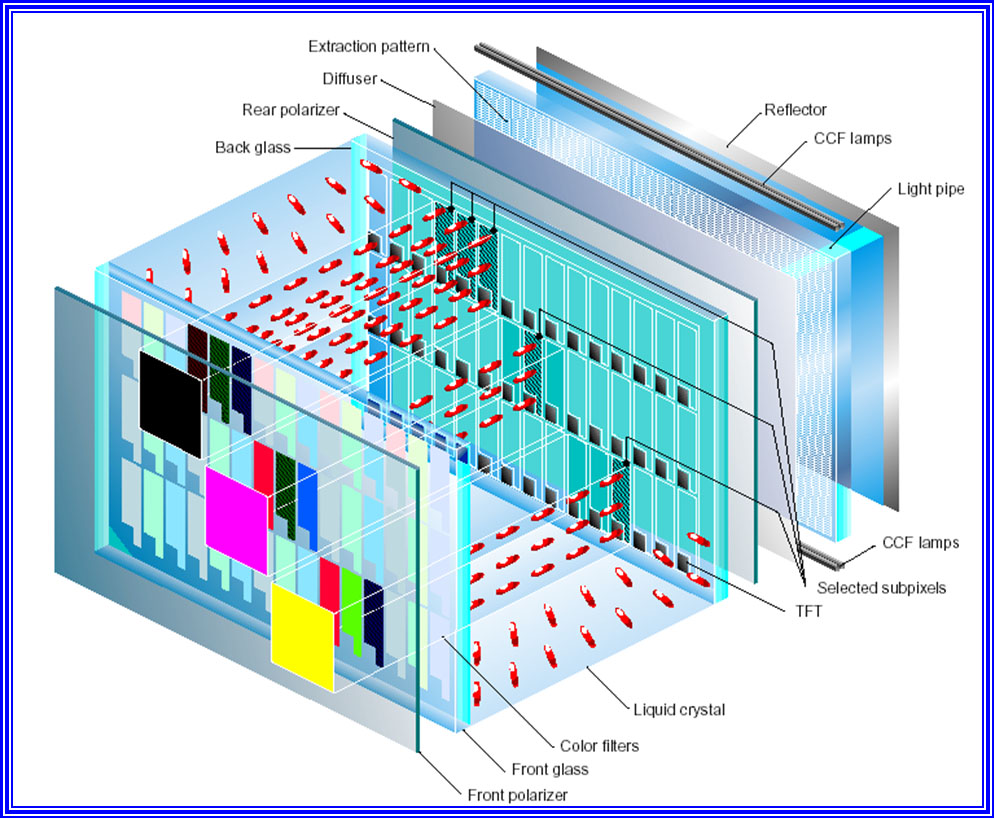
Liquid Crystal Display (LCD) technology isn’t just prevalent; it’s foundational. For engineers designing systems and procurement specialists sourcing components, understanding the nuances of LCDs is critical. Why? Because they consistently deliver a compelling balance: solid image quality, impressive power efficiency, mature manufacturing, and versatile integration options – a combination that keeps them relevant across countless ... Read more
more >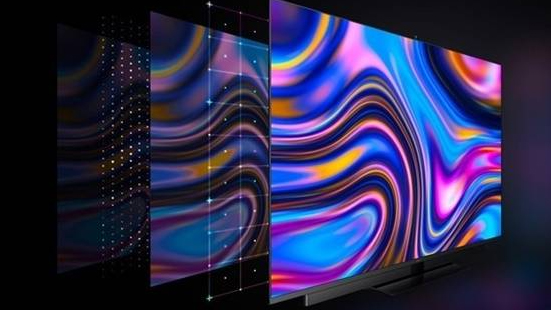
What Is an OLED Display? OLED pixels are true self-emissive light sources rather than transmissive layers over a backlight. In a typical (bottom-emitting) OLED structure, a transparent substrate with its anode and driving TFT array is topped by multiple organic thin films and a reflective cathode. When voltage is applied, electrons from the cathode and ... Read more
more >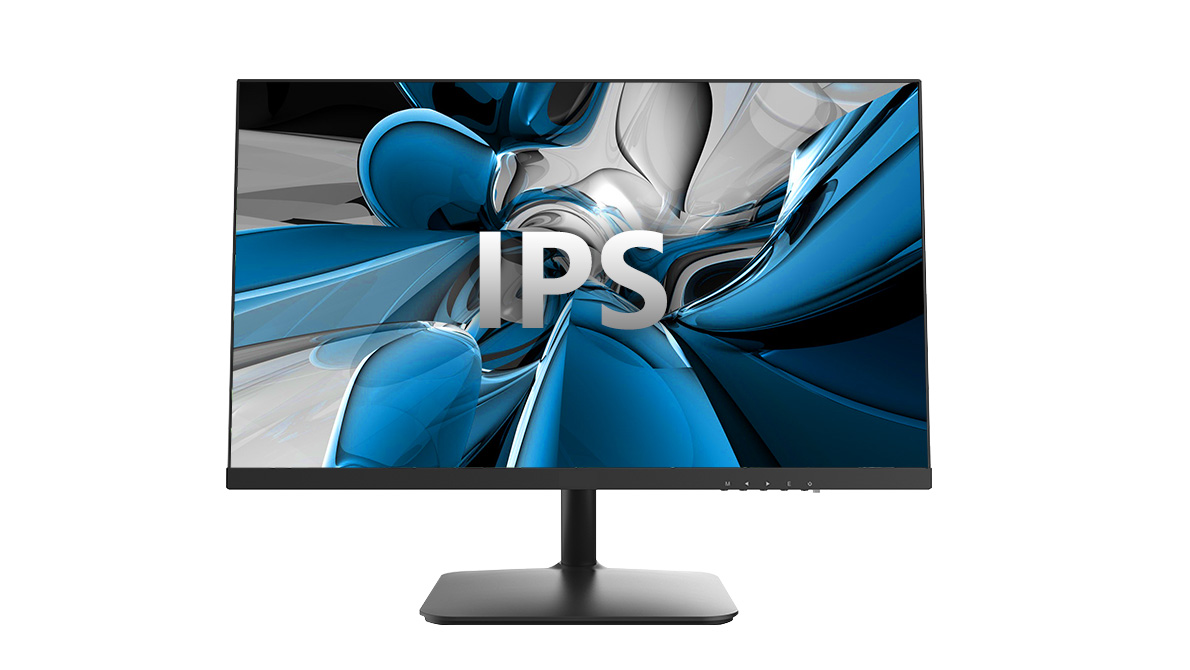
An IPS (In-Plane Switching) display is a type of liquid-crystal display (LCD) panel technology. In an IPS panel, the liquid-crystal molecules lie flat in the plane of the glass substrates. When a voltage is applied, these molecules rotate in-plane to change the polarization of light, thus forming the image. This differs from older LCD designs ... Read more
more >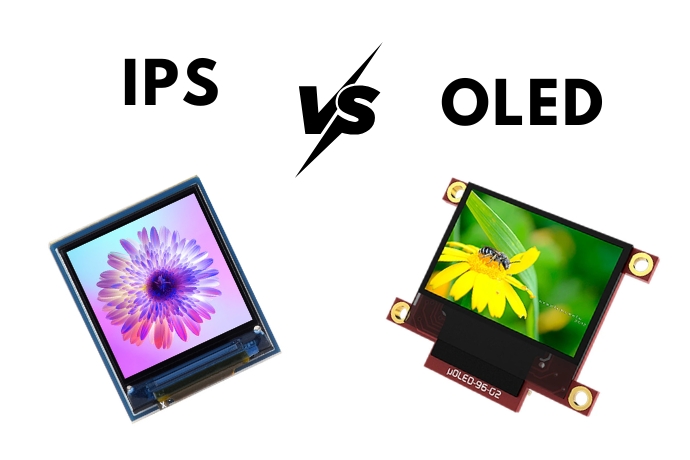
As the demand for higher-quality visual experiences intensifies across industries, choosing the right display technology is becoming increasingly critical for display manufacturers, procurement teams, and R&D engineers. Among the available technologies, IPS (In-Plane Switching) and OLED (Organic Light Emitting Diode) have emerged as leading options. This article dives deeper into their structural, optical, and operational ... Read more
more >


 English
 العربية
 Čeština
 Dansk
Dansk Nederlands
 Français
 Deutsch
 Ελληνικά
 Magyar
 Italiano
 日本語
日本語 한국어
한국어 Polski
 Português
 Español
 Türkçe
 Українська
 Tiếng Việt

