

In an era of escalating energy demands and environmental concerns, low-power display technologies play a significant role in advancing sustainable electronics. These displays minimize consumption by relying on ambient light reflection rather than backlighting, conserving battery life and reducing carbon footprints. This overview examines their mechanics, trade-offs, and practical applications. Core Technologies Overview – Reflective ... Read more
more >
In today’s digital age, touchscreen displays are ubiquitous in devices ranging from smartphones to industrial control systems. However, when it comes to waterproof touchscreens, many wonder: Can these devices truly function underwater? Waterproof ratings like IP67 or IP68 indicate resistance to water immersion, but does the touch functionality hold up as well? This article explores ... Read more
more >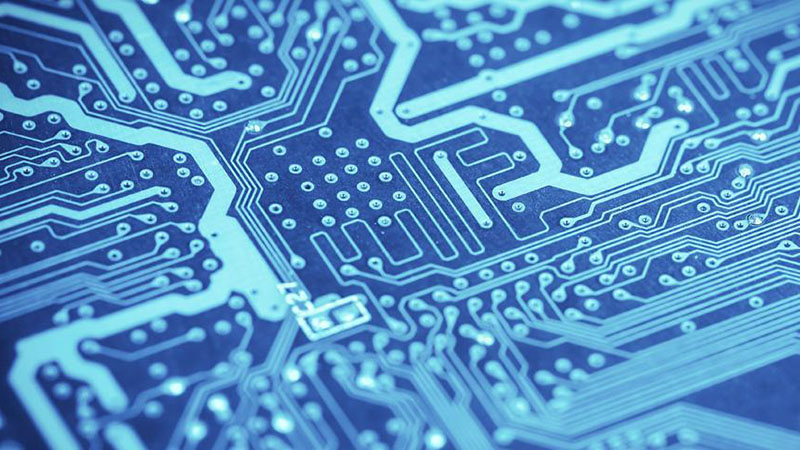
In modern electronics, connections need to be compact, reliable, and often flexible. Two solutions that are commonly used are Flat Flexible Cables (FFC) and Flexible Printed Circuits (FPC). At first glance they may look similar—both are thin and bendable—but in reality, they are built differently, serve distinct purposes, and come with their own strengths and ... Read more
more >
Transparent conductive films combine transparency with electrical conductivity, playing a key role in applications such as electronic displays, solar cells, and smart windows. Among their components, the substrate material significantly influences overall performance. 1. Electrical Conductivity The electrical conductivity of a transparent conductive film is one of its core functions, and the substrate material’s characteristics ... Read more
more >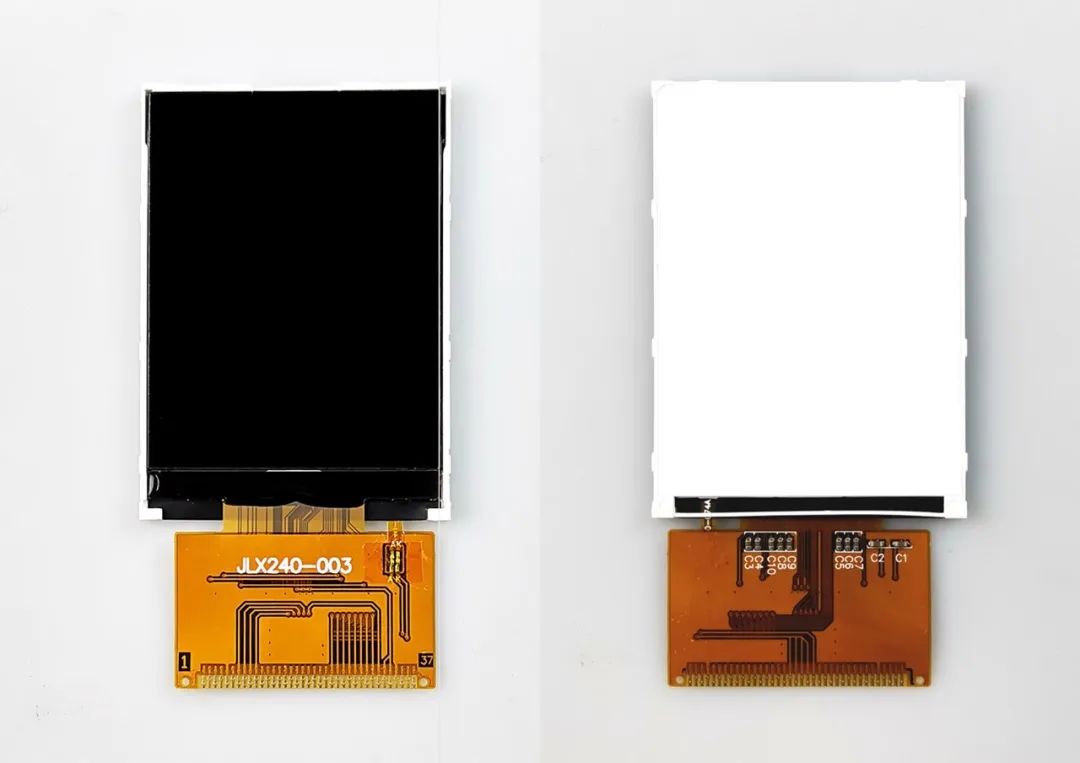
When we talk about a TFT touch display, we’re referring to a thin‑film transistor liquid‑crystal display (TFT‑LCD) that is integrated with touch‑sensing capability. TFT technology uses tiny transistors for every pixel, yielding vivid, full‑color imagery with faster refresh rates and sharper contrast compared to older passive matrix LCDs. The “touch” part typically involves either capacitive ... Read more
more >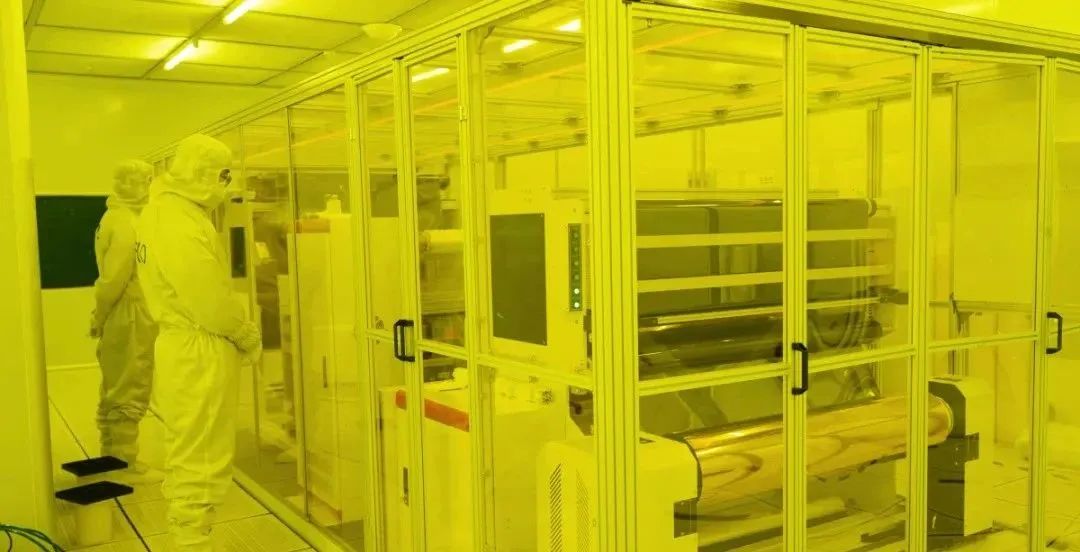
Transparent conductive films (TCFs) are functional thin‐film materials that combine high transparency with excellent electrical conductivity. They are widely used in touchscreens, liquid crystal displays (LCDs), organic light‐emitting diodes (OLEDs), solar cells, smart windows, and other applications. As consumer electronics become ever thinner, more flexible, and higher‐performance, the research and development of transparent conductive films ... Read more
more >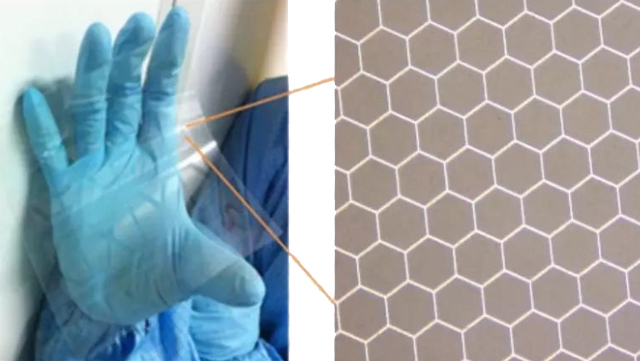
With the continuous development of smart electronics, photovoltaic technology, and new display industries, the demand for high-performance transparent conductive materials is growing rapidly. Metal Mesh conductive films, as one of the alternatives to ITO (indium tin oxide), are becoming an ideal choice for many cutting-edge applications due to their excellent conductivity, transparency, and flexibility. What ... Read more
more >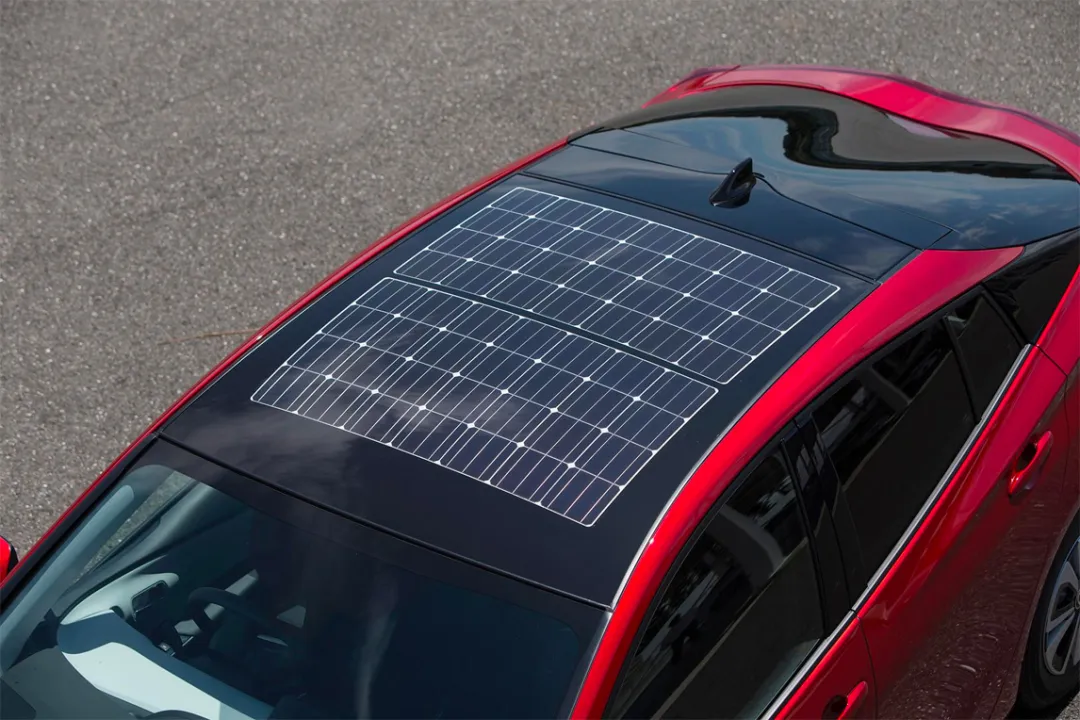
With the rapid advancement of energy vehicle (EV) technology, the requirements for material performance are constantly increasing. Metal mesh transparent conductive films (TCFs), as a key material combining high light transmittance with excellent conductivity, are playing an indispensable role throughout the NEV ecosystem. Whether in intelligent windows, display interaction, safety control, or energy harvesting, TCFs ... Read more
more >


 English
 العربية
 Čeština
 Dansk
Dansk Nederlands
 Français
 Deutsch
 Ελληνικά
 Magyar
 Italiano
 日本語
日本語 한국어
한국어 Polski
 Português
 Español
 Türkçe
 Українська
 Tiếng Việt

