2026-04-02
In the material system of transparent conductive films (TCFs), substrate performance is critical to overall product behavior. At Zhiling Weiye, we have long focused on R&D and manufacturing of copper Metal Mesh conductive technologies. Among our product portfolio, PET is not only a preferred substrate but also a popular choice that meets diverse customer requirements. This preference extends equally to other technology routes such as ITO and silver nanowires. So what makes PET stand out amid intense material competition?
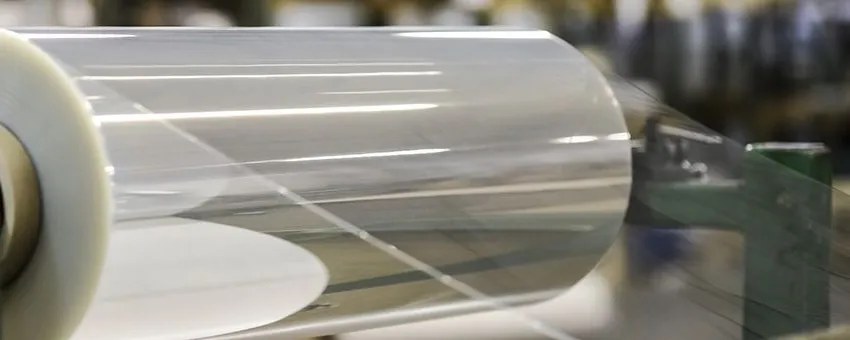
PET delivers excellent optical transmittance, typically above 90%. For high-definition large-area displays and high-efficiency solar cells, its high transmittance ensures clear visual performance and efficient photoelectric conversion.
PET also exhibits strong optical stability. It resists yellowing and increased haze under normal lighting and temperature fluctuations, maintaining long-term clarity and reliable performance throughout the product lifecycle.
PET achieves an optimal balance between flexibility and rigidity. It offers sufficient flexibility and tensile strength to support high-efficiency roll-to-roll (R2R) manufacturing for large-scale production, while resisting minor bending damage during device assembly and operation.
Additionally, its surface hardness withstands daily abrasion, reducing scratch risks and preserving both appearance integrity and functional stability. This versatile mechanical profile suits complex application scenarios.
PET features an ultra-flat, low-roughness surface ideal for uniform deposition of conductive layers. This minimizes defects such as uneven thickness or local fractures, ensuring stable conductivity. It also shows good chemical compatibility with common conductive materials; simple surface treatment further strengthens interfacial adhesion and enhances overall TCF performance.
PET is highly compatible with roll-to-roll mass production. Its mature, streamlined process boosts productivity and reduces yield loss. In contrast, high-performance substrates like polyimide (PI) demand complex processing, specialized equipment, and slower production, resulting in much higher costs. PET’s processability delivers clear advantages in efficiency and cost control.
Backed by abundant raw material supply and mature manufacturing, PET meets performance standards while controlling total TCF cost. For high-volume applications such as consumer electronics and general solar cells, this cost advantage strengthens market penetration and competitiveness.
While PET is less heat-resistant than PI, its thermal stability suffices for most standard processing and operating environments. With a glass transition temperature (Tg) of approximately 70–80°C, it accommodates most low-temperature film-forming processes across mainstream applications.
PET resists most common chemicals and has low moisture sensitivity, avoiding swelling or deformation from water absorption. It performs reliably against oils, fats, dilute acids, dilute alkalis, and most organic solvents.
Benefiting from its strong performance and versatility, PET-based transparent conductive films are widely used in touch panels (especially flexible touchscreens), LCDs, OLEDs, solar cells, smart glass, and flexible electronic devices, laying a solid foundation for technological advancement and product innovation.
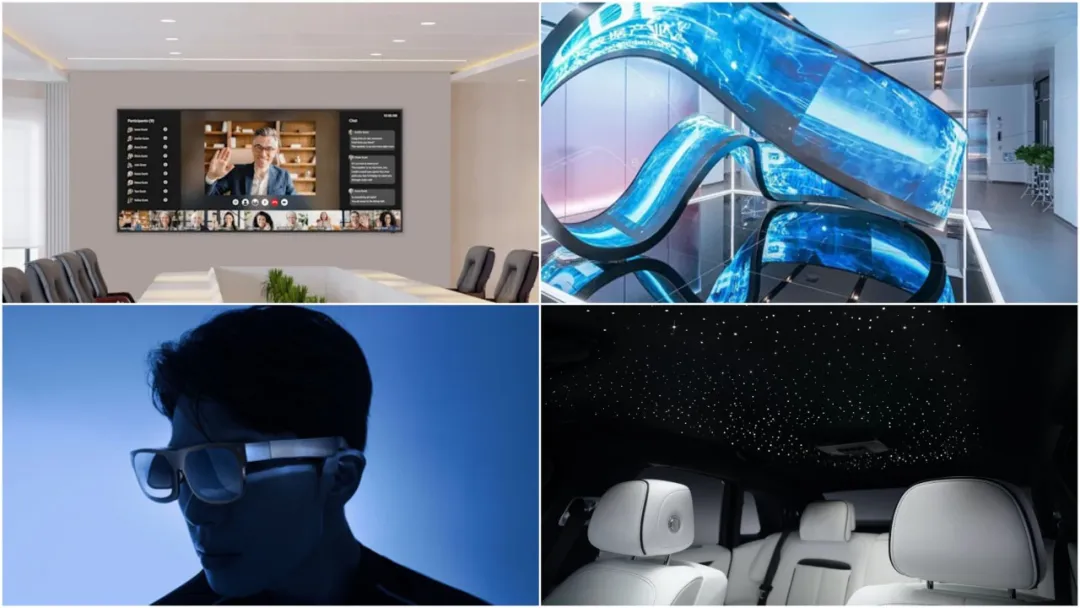
PET is not without drawbacks: it deforms under high temperatures, lacks stability in strong acid/alkali environments, and may yellow slightly under prolonged outdoor UV exposure. However, for nearly all conventional applications, its unrivaled balance of performance, processability, and cost ensures irreplaceable competitiveness.
In summary, PET holds a leading position as a substrate for transparent conductive films and will continue to support industry development. With ongoing technological progress, PET is expected to enable innovative applications and further expand its market reach.



 English
 العربية
 Čeština
 Dansk
Dansk Nederlands
 Français
 Deutsch
 Ελληνικά
 Magyar
 Italiano
 日本語
日本語 한국어
한국어 Polski
 Português
 Español
 Türkçe
 Українська
 Tiếng Việt

