2025-09-26
In the realm of medical diagnostics, precision and clarity are paramount. High-resolution touchscreens have become essential tools in this field, enhancing the accuracy and efficiency of medical examinations and treatments. Here’s an in-depth look at why these advanced interfaces are so crucial in medical settings.
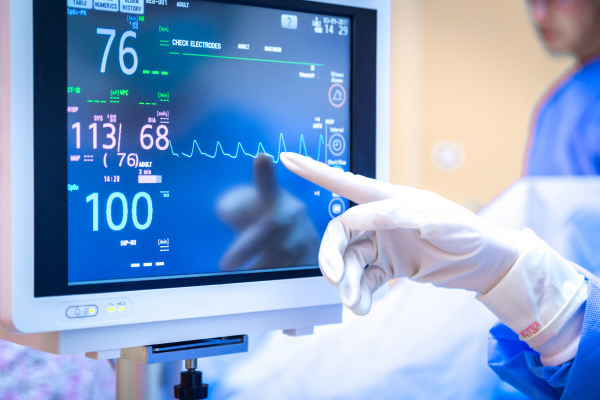
High-resolution touchscreens provide exceptionally clear images, crucial for diagnostic processes such as radiology, ultrasound, and endoscopy. The ability to display high-definition images allows medical professionals to observe fine details that might be missed on lower-resolution screens, leading to more accurate diagnoses and assessments.
These touchscreens enable more dynamic interaction with medical data. Doctors and technicians can easily zoom, rotate, and manipulate diagnostic images directly through touch gestures, allowing for a more thorough analysis. This level of interaction is particularly beneficial during complex procedures and diagnoses, where every detail might provide critical information.
Efficiency in medical workflows is crucial, especially in environments where time is of the essence, such as emergency rooms or intensive care units. High-resolution touchscreens streamline various processes by allowing medical staff to quickly navigate through applications and patient information with minimal physical input and maximum accuracy.
High-resolution displays are not only beneficial for medical staff but also enhance the patient experience. They allow practitioners to clearly explain complex medical conditions and treatments to patients, using detailed visual aids that make information more accessible and under
standable. This can help in building trust and compliance, which are essential for effective treatment.
Telemedicine has become increasingly important, especially in providing care to remote or underserved locations. High-resolution touchscreens are vital in these settings, where clear, detailed visual communication is necessary to diagnose and treat patients from a distance effectively. The clarity and responsiveness of these screens ensure that practitioners can interpret medical data accurately, even from afar.
In medical settings, equipment must adhere to high standards of cleanliness and durability. High-resolution touchscreens designed for medical use are typically built to withstand frequent cleaning and disinfection, and their durable construction helps prevent the spread of pathogens. This is crucial in maintaining a sterile environment and ensuring the longevity of the diagnostic equipment.
Are there specific areas in medical diagnostics where you think touchscreen technology could see further improvements or innovations?
MICRON delivers cutting-edge solutions based on copper metal mesh technology, including touch films, transparent antennas, transparent heating films, and EMI shielding films. Holding over 60% of global patents in metal mesh technology, we are committed to innovation, backed by a dedicated R&D team and stringent quality control to ensure product durability and reliability.
As a trusted supplier to leading global touch device manufacturers, MICRON has established subsidiaries in countries such as the United States and Japan to provide timely and efficient services worldwide, ensuring seamless support for our international clients.



 English
 العربية
 Čeština
 Dansk
Dansk Nederlands
 Français
 Deutsch
 Ελληνικά
 Magyar
 Italiano
 日本語
日本語 한국어
한국어 Polski
 Português
 Español
 Türkçe
 Українська
 Tiếng Việt

